Modeling Industry Trends in the Gulf Shaping 2026 Fashion Events
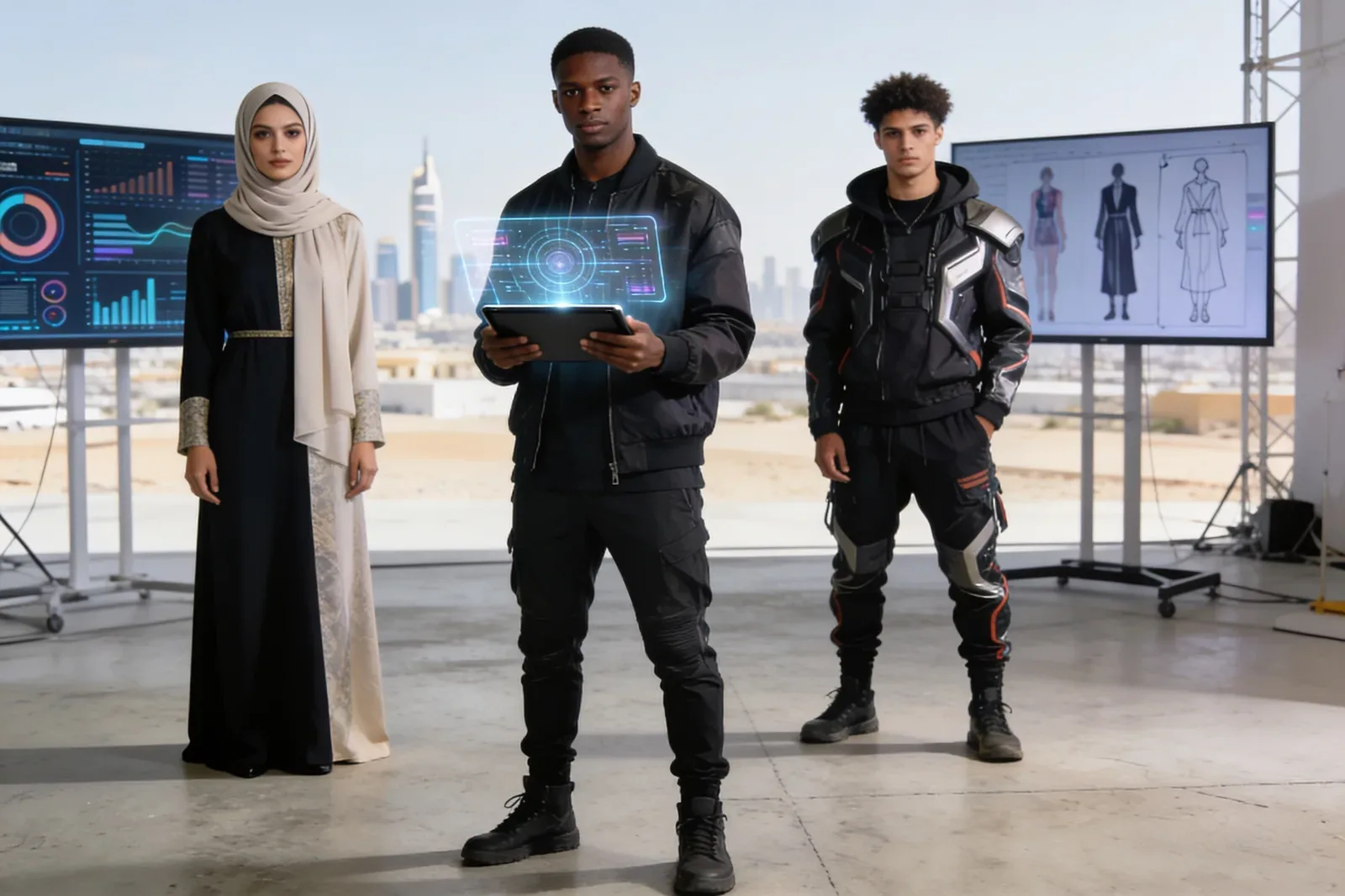
Current modeling industry trends in the Gulf are defined by three simultaneous shifts: casting directors prioritize Khaleeji and local resident talent over fly-in international faces, production teams integrate AR and AI tools into live runway shows, and clients demand models who can host, create content, or perform alongside traditional runway work. For brands and event organizers planning campaigns across Dubai, Riyadh, and Doha, success depends on understanding how each Gulf state defines diversity differently, where budgets are moving, and which technologies are now standard rather than experimental.
How talent diversity is being redefined across the Gulf
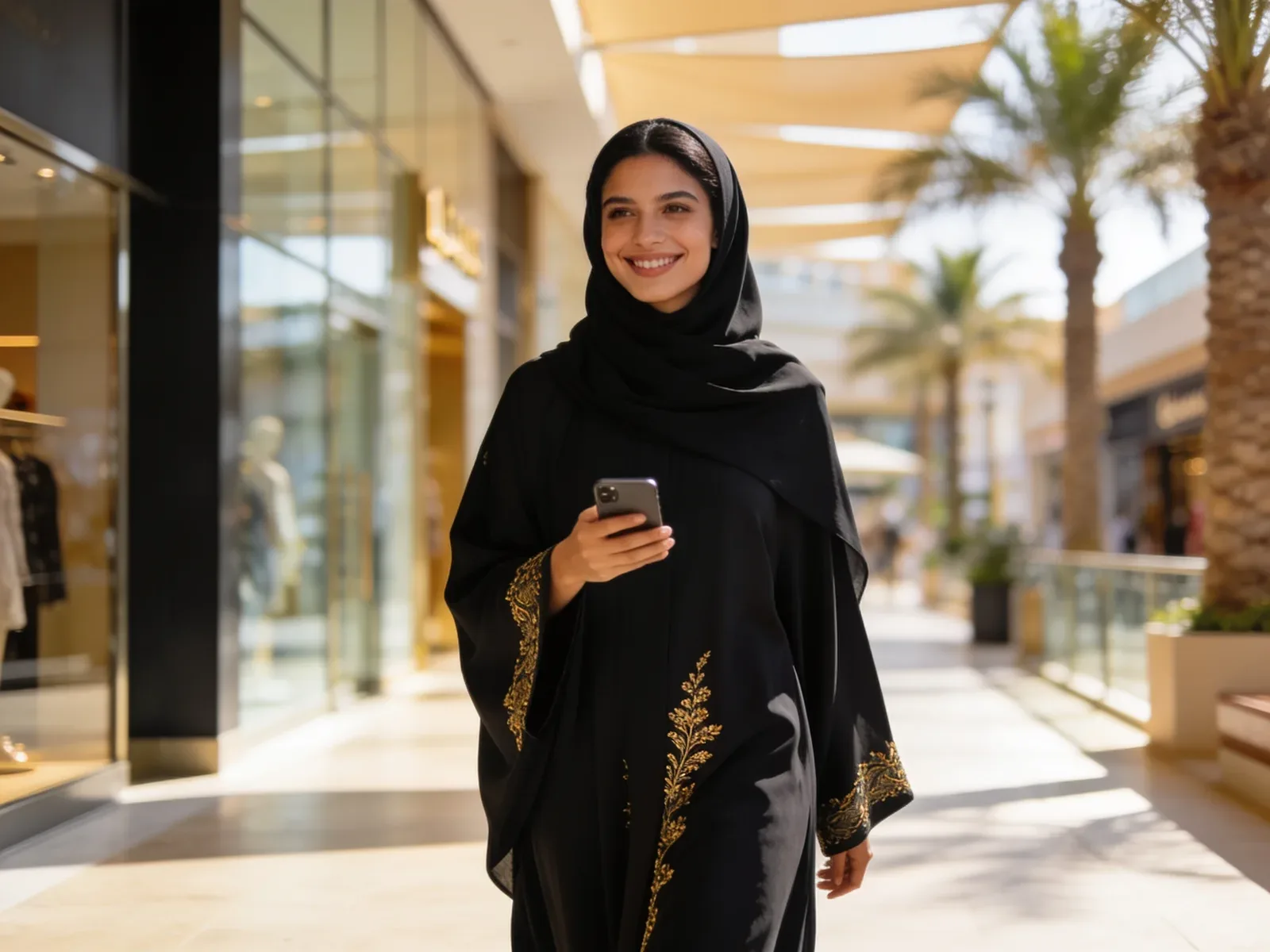
Authentic regional representation has replaced tokenism as the dominant casting philosophy in the GCC. The Saudi Fashion Commission's State of Fashion research shows that 55% of Saudi consumers express stronger loyalty to homegrown brands over international labels, prompting commercial casting calls to prioritize Saudi and Khaleeji faces. This sentiment has structural backing: the Saudi fashion market is valued at USD 36.8 billion, and the sector employs 343,000 people, representing 2.6% of national GDP.
Each Gulf state operates with distinct diversity parameters. In Saudi Arabia, Vision 2030 has transitioned runway presentations from segregated spaces to mixed-gender productions at events like Riyadh Fashion Week, though content remains overseen by the General Authority of Media Regulation (GAMR) with modest dress codes and social boundaries enforced. The UAE permits wider stylistic flexibility under Media Council and emirate advertising laws, supported by the UAE Gender Balance Council and Advertising Business Group gender portrayal guidelines. Qatar occupies a middle position, cosmopolitan in its event hosting but conservative in commercial broadcast standards.
Dubai Fashion Week and Riyadh Fashion Week have both mandated open regional casting calls. At DFW's Spring/Summer 2027 shows in October 2026, the program paired Middle Eastern designers including Zeena Zaki, Yousef Aljasmi, and Nafsika Skourti with international debuts from Paolo Sebastian and Tarun Tahiliani. Riyadh Fashion Week's fourth edition, running October 2026 with White Milano as official international partner, showcased over 30 Saudi labels including Ashi Studio, Abadia, and Mona Alshebil alongside global houses Vivienne Westwood and Stella McCartney.
Arab and regional designers are still our priority at Dubai Fashion Week but we found that, for emerging designers, they're most interested in meeting buyers for which the showroom is best placed.
Mohammed Aqra, Chief Strategy Officer, Arab Fashion Council, The Business of Fashion
AR, VR, and AI integration in live Gulf fashion events
Virtual and augmented reality applications moved from novelty to operational standard in Gulf fashion weeks during 2025 and 2026. The practical implementations fall into three categories: hybrid audience experiences that stream runway shows with interactive digital layers, virtual fitting rooms that reduce sample garment logistics, and AI-generated campaign imagery that substitutes or supplements traditional photoshoots.
Brands for Less, the UAE-based apparel retailer, deployed a complete AI-generated summer campaign across the UAE, Saudi Arabia, and Southeast Asia in May 2025, featuring virtual influencers Mayaseen and the Arab AI avatar Jood. In Dubai, Grand Millennium Hotel launched AI brand ambassador 'Zaya' in mid-2026 for promotional lifestyle content. Specialized agency Pixel debuted in the UAE in June 2026 to develop permanent virtual brand ambassadors for enterprise clients.
The capabilities of AI Ambassadors are perfect for the Middle East, particularly where brands need complete control over messaging while respecting cultural values, and where multilingual communication is essential in a country with more than 200 nationalities.
Lewis Davey, Founder, Pixel, Arabian Business
The Saudi Fashion Commission has formalized this digital trajectory through institutional partnerships. In September 2025, it signed an MoU with Manga Productions to merge Saudi fashion intellectual property into gaming, anime, and digital formats. Saudi Arabia's updated Copyright Law entered force in August 2026, providing statutory frameworks for digital asset licensing and AI-generated media.
A strategic tension persists. While commercial advertisers champion AI avatars for brand safety and cost containment, luxury creative directors at DFW and RFW emphasize that regional consumers increasingly demand authentic human representation and genuine cultural storytelling. The technology serves efficiency; the talent provides connection.
The multi-talented model as a budget imperative
Clients across the GCC are booking models who bring secondary skills that activate multiple campaign elements from a single fee. The demand spans dance, DJing, hosting, Arabic-English bilingual presentation, and native content creation for TikTok and Instagram Reels. This shift correlates with the region's expansion in experiential retail and pop-up activations, where a single talent might open a show, host a VIP reception, and generate behind-the-scenes social content.
Agency booking desks report premiums for multi-hyphenate talent, though no authoritative published market study provides verified aggregate percentage differentials. Fees remain negotiated case-by-case based on skill stack, follower count, and activation complexity. Because these premiums are unverified, brands should request itemized quotes separating base modeling rates from performance or content creation add-ons.
For event producers, the operational advantage is logistical consolidation. One talent with hosting and dance training reduces separate bookings for emcee, performer, and influencer. For models, the incentive is rate protection: a model who can DJ or present in Arabic commands more consistent booking volume across the seasonal fashion calendar.
Where client budgets are moving in 2026
Marketing expenditure in the Gulf has reallocated decisively from traditional print and editorial toward three channels: experiential retail activations, social-first video content, and localized influencer collaborations. This reallocation affects casting directly. Print campaigns required static beauty; experiential and video require movement, voice, and improvisation.
The distinction between influencer rates and model rates has sharpened. Professional models command day rates based on usage rights, hours, and exclusivity terms governed by agency contracts. Influencer rates incorporate follower reach, engagement benchmarks, and content licensing, often structured as flat project fees rather than hourly billing. In the current Gulf market, a mid-tier fashion model with agency representation and a significant Instagram following can function as hybrid talent, but their rate structure must be negotiated transparently to avoid usage disputes.
The Saudi Fashion Commission addressed this contracting complexity in July 2026 by publishing five standardized agreement templates governing model-agent, model-designer, and minor-guardian relationships. These templates professionalize rate negotiation and protect talent in an environment where influencer marketing has outpaced regulatory frameworks.
By welcoming the world to Riyadh, we create a unique platform where international leaders can build meaningful connections with local buyers, media, and consumers.
Burak Çakmak, Chief Executive Officer, Saudi Fashion Commission, Fashion Week Online
Strategic casting checklist for 2026 Gulf campaigns
Brands and event organizers should apply the following operational framework when planning casting for 2026 fashion events across the GCC.
- Define jurisdiction-specific modesty parameters before brief creationSaudi productions require GAMR compliance with covered shoulders and knees for public broadcast; UAE commercial sets permit greater flexibility but still fall under Media Council advertising standards. Build these parameters into the creative brief, not as afterthoughts.
- Prioritize Khaleeji and resident Arab talent for consumer-facing campaignsWith 55% of Saudi consumers favoring domestic brand representation, casting local faces is a commercial decision, not merely a diversity gesture. Verify residency status for work permit compliance.
- Request skill portfolios alongside digitalsFor experiential activations, ask for video reels demonstrating hosting, dance, or presentation skills. A model's runway walk no longer suffices as sole qualification.
- Separate AI and human talent budgetsVirtual influencers and AI-generated campaigns require different production pipelines, licensing frameworks, and lead times. Do not substitute one for the other without creative justification.
- Use standardized contracts where availableThe Saudi Fashion Commission's July 2026 templates provide baseline protection for models, agents, and brands. Adapt these for UAE and Qatar productions even where not legally mandated.
- Book through established agencies with Gulf operational experienceLocal agencies manage work permits, cultural liaison, and emergency replacement protocols that fly-by-night bookers cannot. For specialized multi-talent casting, book now through agencies with verified GCC production credits.
What to watch through 2027
Three developments will shape casting decisions beyond 2026. First, the Saudi Fashion Commission's contract standardization may expand to UAE and Qatar through bilateral creative economy agreements, harmonizing talent protection across the GCC. Second, AI avatar quality is improving rapidly; by late 2027, the cost differential between virtual and human campaign talent may invert for certain product categories. Third, Riyadh Fashion Week's international partnerships, including White Milano in 2026, suggest the event will become a genuine buyer-facing commercial platform rather than a cultural showcase alone.
Brands that align their casting protocols with these structural shifts, rather than treating them as temporary trends, will secure preferential talent access and stronger consumer relevance across the Gulf's expanding fashion economy.